


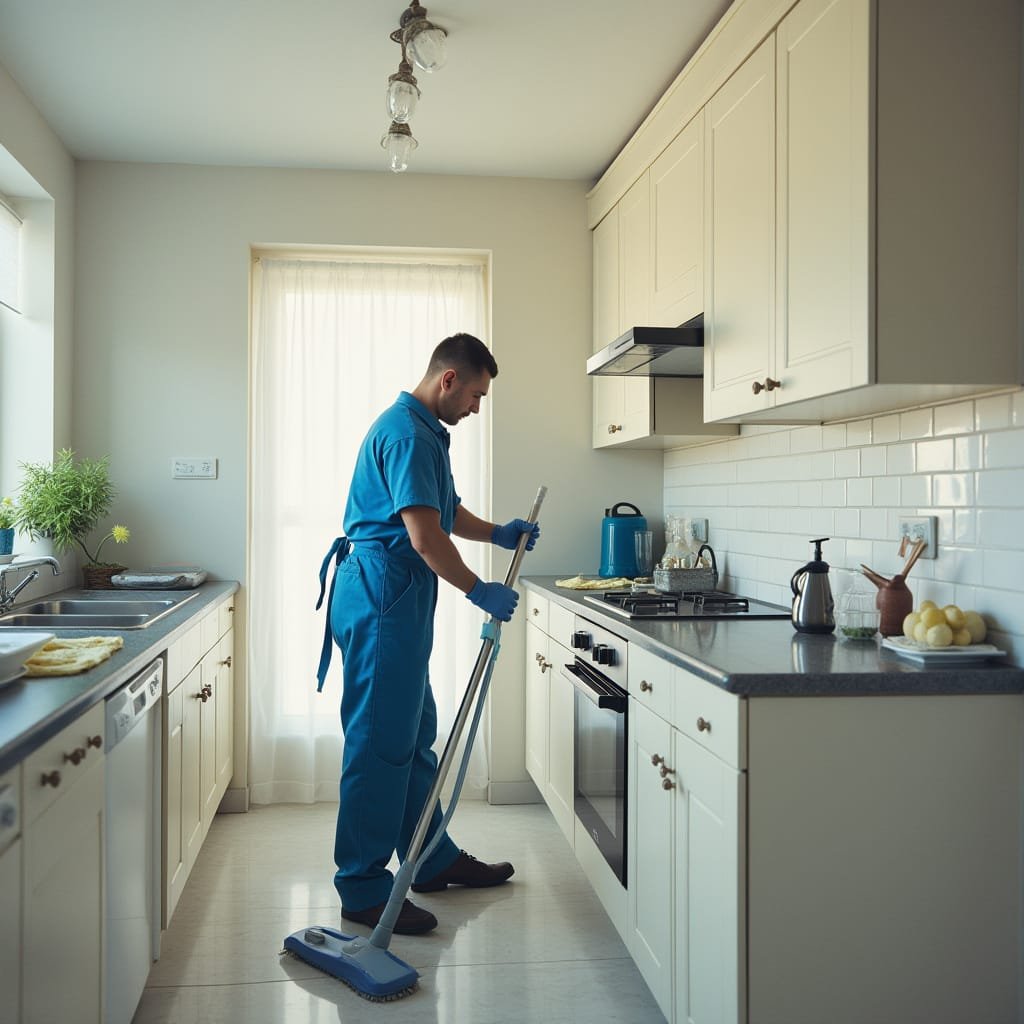
Natural vs Commercial Degreasers: Which Works Best?
Many homeowners wonder whether natural cleaners or commercial degreasers are more effective against tough kitchen grease. The answer depends on the severity of buildup and surface material.
Natural solutions are ideal for light to moderate grease and routine maintenance. They are eco-friendly and safe for households with children or pets. However, they may require repeated application for stubborn grease.
Commercial degreasers are formulated to break down heavy oil deposits quickly. They work faster but must be used carefully to avoid surface damage or strong fumes.
Comparison:
- Natural cleaners: safe, mild, slower results
- Commercial cleaners: powerful, fast, require caution
For deep grease layers that haven’t been cleaned for months, professional-grade products are often the best choice. Refinespace.ae uses surface-safe, industrial degreasers that remove grease without harming finishes.
Preventing Grease Buildup on Kitchen Cabinets & Hoods
Prevention is easier and cheaper than deep cleaning. Simple habits can significantly reduce grease accumulation in your kitchen.
Effective prevention tips:
- Wipe cabinets weekly
- Clean hood filters monthly
- Use lids while cooking
- Ensure proper ventilation
Regular maintenance keeps grease from hardening and becoming difficult to remove. Installing high-quality range hoods and maintaining airflow also minimizes airborne grease.
Refinespace.ae recommends scheduled professional kitchen cleaning to maintain hygiene, especially in busy homes and commercial spaces. Preventive care extends the life of your cabinets and appliances while keeping your kitchen fresh.
When should you hire professional kitchen cleaning services?
You should hire professional kitchen cleaning services when grease buildup becomes difficult to remove, covers large areas, or has been neglected for months. Professionals have the tools, products, and expertise to clean cabinets, hoods, and filters safely and thoroughly. Refinespace.ae offers expert kitchen grease removal services that restore cleanliness, improve hygiene, and protect your kitchen surfaces from long-term damage.
Why Choose Refinespace.ae for Professional Kitchen Cleaning
While DIY cleaning helps, professional kitchen grease removal delivers deeper, longer-lasting results. At refinespace.ae, we specialize in removing stubborn grease from kitchen cabinets, hoods, and filters using safe, advanced techniques.
Our services include:
- Surface-specific degreasing
- Cabinet and hood restoration
- Odor and bacteria elimination
- Eco-friendly cleaning solutions
With trained professionals and industry-grade equipment, we ensure your kitchen is spotless, hygienic, and damage-free. Whether it’s a residential or commercial kitchen, refinespace.ae provides reliable, high-quality cleaning solutions you can trust.
Struggling with stubborn grease on your kitchen cabinets or hood?
Let Refinespace handle it professionally.
Book a professional kitchen cleaning service today with refinespace.ae
✔ Safe, damage-free grease removal
✔ Expert-trained cleaning professionals
✔ Eco-friendly products & lasting results
Contact Refinespace now and bring back the shine, freshness, and hygiene your kitchen deserves.
Conclusion
Keeping your kitchen cabinets and range hood free from tough grease is essential for maintaining a clean, healthy, and long-lasting kitchen environment. Grease buildup not only affects the appearance of your kitchen but also traps dust, odors, and bacteria, reducing hygiene and appliance efficiency over time. While regular wiping and preventive care can slow grease accumulation, stubborn and long-standing grease often requires deeper, professional attention.
By following the right cleaning methods, using surface-safe products, and maintaining a consistent cleaning routine, you can protect your cabinets and improve the performance of your kitchen hood. However, improper cleaning techniques or harsh chemicals can cause irreversible damage, especially to wooden and laminated surfaces. That’s why trusting experienced professionals ensures effective grease removal without compromising quality.
Frequently Asked Questions (FAQs)
- What is the best way to remove tough grease from kitchen cabinets?
The best way to remove tough grease from kitchen cabinets is to use a gentle yet effective degreasing solution suited to the cabinet material. Start by wiping off loose dust with a dry microfiber cloth. Then apply a degreaser using a soft cloth rather than spraying directly on the surface. Allow the solution to sit for a few minutes to break down grease before wiping in circular motions. Avoid abrasive pads, as they can damage finishes. For wooden cabinets, always wipe along the grain and dry immediately. If grease buildup is old or hardened, professional kitchen cleaning services like refinespace.ae ensure safe and complete removal without harming cabinet surfaces.
- Can tough grease damage kitchen cabinets if left untreated?
Yes, leaving grease untreated can permanently damage kitchen cabinets. Over time, grease seeps into surfaces, causing discoloration, peeling, and weakening of finishes—especially on wooden and MDF cabinets. Grease also attracts dust and bacteria, leading to unpleasant odors and hygiene issues. In extreme cases, cabinets may require refinishing or replacement. Regular cleaning and professional grease removal from experts like refinespace.ae help preserve cabinet quality and appearance.
- Is it safe to use commercial degreasers on kitchen cabinets and hoods?
Commercial degreasers are safe only when used correctly and on suitable surfaces. Some strong degreasers can strip finishes, dull paint, or leave residue if not diluted properly. Always read the product label and perform a spot test before full application. Stainless steel hoods generally tolerate commercial degreasers better than wooden cabinets. Professional cleaning services use surface-safe, industry-approved products to remove grease without damage, ensuring both safety and effectiveness.
- What is the best way to clean greasy kitchen hood filters?
The most effective way to clean greasy kitchen hood filters is to remove and soak them in warm water with a degreasing agent. Soaking loosens oil and grime, making it easier to scrub gently with a soft brush. Rinse thoroughly and allow filters to dry completely before reinstalling. For heavily clogged filters, professional cleaning ensures deep grease removal, improved airflow, and better hood performance.
- Why does grease build up so quickly in kitchen hoods?
Grease builds up quickly in kitchen hoods because they capture airborne oil particles released during cooking. High-heat cooking, frying, and poor ventilation accelerate grease accumulation. If filters are not cleaned regularly, grease settles inside the hood and reduces airflow efficiency. Routine cleaning and proper ventilation are essential to prevent excessive buildup and maintain a healthy kitchen environment.