


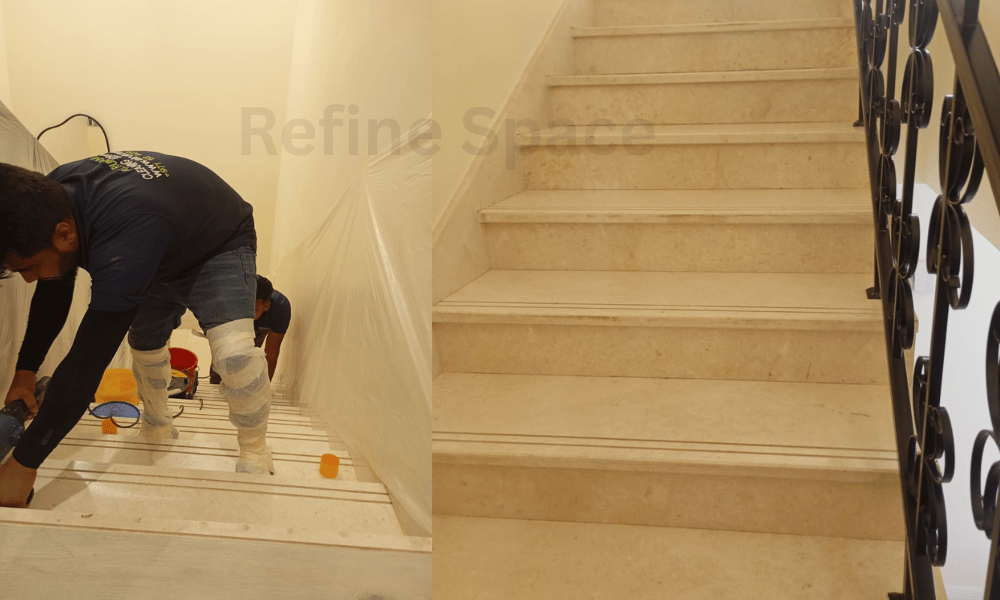
Top Guide To Maintain Marble Floors With Easy Cleaning Tips
Marble floors bring a luxurious touch to any home or office, but they can also be tricky to maintain. Unlike ceramic tiles, marble is softer and more porous, which makes it prone to scratches, stains, and dullness if not cleaned properly. If you want your marble flooring to stay shiny and beautiful for years, you need the right cleaning techniques. In this blog, we’ll walk through safe and effective ways to clean marble floors without scratching or damaging them.
About Marble Floors
Marble is a natural stone formed from limestone, and it comes in many colors and veining patterns. It’s elegant but sensitive. Since marble is porous, it absorbs liquids easily, leading to stains. It’s also prone to etching when exposed to acidic cleaners like vinegar or lemon juice. Knowing these characteristics helps you choose safe cleaning methods and products for your marble floors.
Why You Should Avoid Harsh Cleaning Methods
Many homeowners unknowingly damage marble floors by using the wrong products. Acidic cleaners, abrasive scrubbers, or even too much water can lead to permanent damage. Scratches can ruin the polished surface, while harsh chemicals can dull the shine. Instead of strong detergents, always go for mild, pH-neutral solutions specifically designed for natural stone.
Essential Tools and Supplies for Cleaning Marble
To clean marble floors properly, you’ll need a few gentle tools and products:
- Microfiber mop or soft cloths – Prevents scratches
- pH-neutral cleaner – Designed for stone floors
- Warm water – Safely dilutes cleaning products
- Soft bristle brush – For light scrubbing when needed
- Dry towels – To wipe excess moisture
Having these tools ready makes the cleaning process easier and safer for your marble floors.
Preparing the Marble Floor Before Cleaning
Before mopping, always remove dust and dirt. Use a soft broom or vacuum with a brush attachment to sweep debris away. Avoid vacuums with metal wheels or harsh bristles, as they can scratch the surface. This preparation step prevents small particles from rubbing against the marble while you mop.
The Right Way to Mop Marble Floors
When mopping marble floors, less is more. Drenching marble in water can cause stains and damage, so use a damp mop instead of a wet one. Start in one corner and work your way across the floor in straight lines. Rinse the mop frequently to avoid spreading dirt around. For streak-free results, dry the floor immediately with a clean towel.
DIY Natural Cleaning Solutions
If you prefer natural cleaners, be careful—some popular DIY recipes can damage marble. For example, vinegar and lemon juice are too acidic. Instead, try this safe homemade solution:
- Mix a few drops of mild dish soap with warm water.
- Apply with a microfiber mop.
- Rinse with clean water and dry thoroughly.
This method gently cleans without leaving residue or causing etching.
Deep Cleaning Marble Without Causing Damage
Sometimes, marble floors need more than just routine cleaning. Deep cleaning helps restore shine and remove stubborn dirt. Use a stone-safe cleaner diluted with water, following the product instructions. Gently mop the floor, then rinse and dry completely. Avoid scrubbing pads or steel wool, as they can scratch the surface.
This is a very helpful and well-written guide! I appreciate how clearly you explain the risks of using harsh cleaners and the importance of using pH-neutral solutions, soft tools, and gentle techniques. The steps for stain removal and dealing with etching are especially useful. One thing you might consider adding: a short checklist for daily vs weekly care, and a note about how often different types of marble should be sealed. Otherwise, excellent job — thanks for sharing these tips!
Joe moon
How to Remove Stains from Marble Floors
Different stains require different treatments:
- Oil-based stains (grease, cosmetics): Use a poultice of baking soda and water.
- Organic stains (coffee, juice, wine): Apply a mixture of hydrogen peroxide and water.
- Water spots: Buff with a dry microfiber cloth.
Always test solutions on a small hidden area first to make sure they don’t affect the marble’s finish.
Dealing with Etching on Marble
Etching appears as dull spots caused by acidic substances. If your marble has etched, you may need a marble polishing powder. Gently buff the affected area following the product’s instructions. For deeper etches, professional restoration might be necessary.
Polishing Marble Floors for Long-Lasting Shine
Polishing keeps marble floors looking new. You can use a commercial marble polish with a soft cloth or hire professionals for a mirror-like finish. Polishing not only restores shine but also helps protect against future damage.
How to Protect Marble Floors from Damage?
Prevention is always better than cure. A few simple steps can protect your marble floors:
- Place rugs or mats in high-traffic areas.
- Use felt pads under furniture legs.
- Clean up spills immediately to avoid stains.
- Sweep regularly to keep dirt away.
These small habits go a long way in preserving marble flooring.
Mistakes to Avoid When Cleaning Marble Floors
Avoid these common mistakes:
- Using vinegar, lemon, or bleach
- Over-wetting the floor while mopping
- Scrubbing with abrasive pads
- Letting spills sit too long
Correcting these mistakes will save you from costly repairs down the line.
Professional Marble Cleaning Services in Dubai
Sometimes, marble floors need professional care. Companies like Refine Space in Dubai specialize in marble cleaning and restoration. Professional services can remove deep stains, polish dull surfaces, and extend the life of your marble flooring. If your floors have heavy etching, deep scratches, or stubborn stains, calling in experts is the best option.
Conclusion
Marble floors add timeless beauty to any space, but they need gentle care to stay flawless. By using the right tools, avoiding harsh chemicals, and protecting your floors from damage, you can keep your marble looking elegant for years. And when in doubt, professional marble cleaning services in Dubai are always ready to help.
FAQs
- Can I use vinegar to clean marble?
No, vinegar is acidic and will etch marble, leaving dull marks. - How often should I clean marble floors?
Sweep or dust daily, mop weekly with a pH-neutral cleaner, and polish as needed. - Do marble floors need sealing?
Yes, sealing helps protect against stains and should be done every 6–12 months. - Can scratches on marble be repaired?
Light scratches can be polished out, but deep scratches may need professional restoration.