


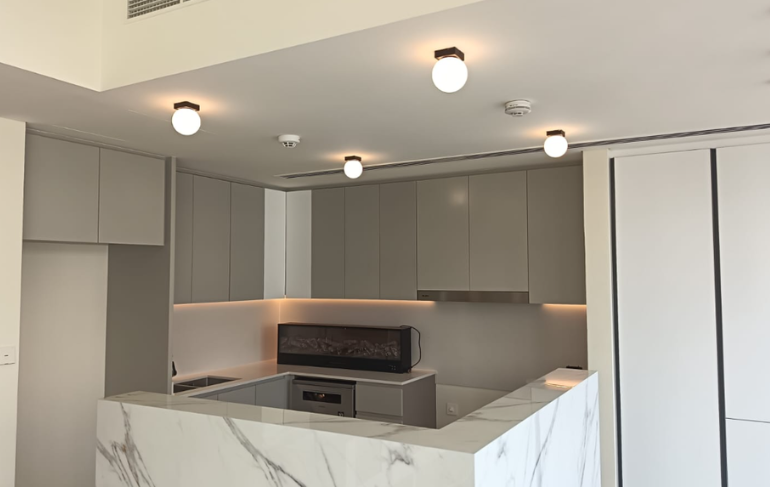
Safely Remove Grease From Kitchen Cabinets Without Damaging
Kitchen cabinets are one of the first places where grease, cooking oil, dust, and food particles accumulate. Over time, these sticky residues not only make your cabinets look dull but can also damage the finish if cleaned incorrectly.
Whether your cabinets are made of wood, laminate, painted MDF, or veneer, using the wrong cleaning products can strip the protective coating, discolor the surface, or even warp the material.
In this guide, you’ll learn the safest and most effective methods to remove grease from kitchen cabinets without damaging them. We’ll also discuss common mistakes homeowners make and explain when it’s time to call professional kitchen deep cleaning experts.
Why Kitchen Cabinets Become Greasy
Every time you fry, grill, or sauté food, microscopic grease particles become airborne. These particles settle on nearby surfaces, especially kitchen cabinets around the stove.
Over time, grease combines with:
- Dust
- Smoke residue
- Food splatters
- Moisture
- Cooking oils
This creates a stubborn sticky layer that’s difficult to remove using water alone.
The longer grease stays on cabinets, the harder it becomes to clean.
Know Your Cabinet Material Before Cleaning
Different cabinet materials require different cleaning approaches.
Wooden Cabinets
Wood cabinets are sensitive to excessive moisture and harsh chemicals. Always use gentle cleaners and avoid soaking the surface.
Painted Cabinets
Painted cabinets can lose their finish if cleaned with abrasive scrubbers or strong solvents.
Laminate Cabinets
Laminate is easier to clean but can peel if exposed to excessive water or steam.
Veneer Cabinets
Veneer surfaces need soft cleaning cloths and mild cleaners to prevent lifting or cracking.
Understanding your cabinet material helps prevent permanent damage during cleaning.
Best DIY Solution to Remove Kitchen Grease
One of the safest homemade cleaning solutions uses ingredients already available in most homes.
What You’ll Need
- Warm water
- Mild dish soap
- White vinegar
- Microfiber cloth
- Soft sponge
- Dry towel
Cleaning Steps
- Mix warm water with a few drops of dish soap.
- Dip a microfiber cloth into the solution.
- Wring it well so it is damp—not dripping.
- Gently wipe greasy areas.
- For stubborn grease, lightly spray diluted white vinegar (1:1 with water).
- Wait one minute.
- Wipe again using a clean damp cloth.
- Dry immediately with a soft towel.
This method safely removes grease without harming most cabinet finishes.
Natural Cleaning Solutions That Work
If you prefer chemical-free cleaning, these natural ingredients are highly effective.
Baking Soda Paste
- Mix baking soda with a little water to form a paste.
- Apply only on stubborn grease spots.
- Leave for 2–3 minutes before gently wiping with a soft cloth.
- Avoid excessive scrubbing.
Lemon Juice
- Lemon naturally cuts through grease while leaving a fresh scent.
- Mix equal parts lemon juice and warm water.
- Use a microfiber cloth to wipe greasy surfaces.
White Vinegar
- Vinegar helps dissolve grease buildup without harsh chemicals.
- Always dilute vinegar with water before use.
- Avoid using undiluted vinegar on natural wood finishes.
Cleaning Products to Avoid
Some products can permanently damage cabinet surfaces.
Avoid:
- Bleach
- Ammonia
- Steel wool
- Magic erasers on glossy finishes
- Strong degreasers
- Abrasive scrubbing pads
- Acetone
- Paint thinner
These products may remove grease but often damage cabinet coatings.
I was struggling with stubborn grease on my kitchen cabinets that regular cleaning couldn't remove. After following the advice and using professional deep cleaning services, my cabinets look spotless and the original finish is still intact. The cleaning team was punctual, professional, and paid attention to every detail. I highly recommend Refinespace to anyone looking for reliable kitchen deep cleaning services in Dubai. Excellent service and outstanding results!
Firaz Mahmud
How Often Should Kitchen Cabinets Be Cleaned?
Cleaning frequency depends on how often you cook.
Light Cooking
- Wipe cabinets weekly
- Deep clean every 2–3 months
Daily Cooking
- Wipe grease every few days
- Deep clean monthly
Commercial Kitchens
Professional deep cleaning is recommended every month to maintain hygiene and prevent grease buildup.
Common Mistakes That Damage Kitchen Cabinets
Many homeowners accidentally shorten the lifespan of their cabinets.
Avoid these mistakes:
- Using excessive water
- Scrubbing aggressively
- Using rough brushes
- Leaving vinegar on wood too long
- Skipping the drying process
- Ignoring grease buildup for months
- Using concentrated chemicals
Small mistakes repeated over time can permanently ruin cabinet finishes.
Tips to Prevent Grease Buildup
Prevention is much easier than removing heavy grease later.
Follow these simple habits:
- Use your kitchen exhaust fan every time you cook.
- Wipe cabinets after cooking.
- Clean around the stove weekly.
- Cover frying pans when possible.
- Maintain proper kitchen ventilation.
- Schedule regular deep cleaning.
Preventive care keeps cabinets looking new for years.
When DIY Cleaning Isn’t Enough
Sometimes grease becomes too thick or has built up over several years.
Professional cleaning may be necessary if you notice:
- Sticky cabinet surfaces after cleaning
- Yellow or brown grease stains
- Strong cooking odors
- Grease inside cabinet corners
- Mold near sink cabinets
- Hard-to-remove residue around the stove
Professional kitchen deep cleaning uses specialized equipment and safe cleaning solutions designed for delicate cabinet finishes.
Benefits of Professional Kitchen Cabinet Cleaning
Hiring professionals provides several advantages:
- Removes years of grease buildup
- Protects cabinet finishes
- Eliminates odors
- Improves kitchen hygiene
- Saves time and effort
- Extends cabinet lifespan
- Cleans hard-to-reach areas
- Uses safe, eco-friendly products
Professional Deep cleaning is especially valuable before moving into a new home or after renovations.
Why Choose Refine Space for Kitchen Deep Cleaning in Dubai?
At Refine Space, we specialize in comprehensive kitchen deep cleaning services that restore the cleanliness and appearance of your kitchen without damaging delicate surfaces.
Our experienced team offers:
- Safe cleaning for all cabinet materials
- Eco-friendly cleaning products
- Professional grease removal
- Interior and exterior cabinet cleaning
- Appliance and countertop cleaning
- Flexible scheduling across Dubai
- Trained and insured cleaning professionals
Final Thoughts
Removing grease from kitchen cabinets doesn’t have to be difficult or risky. Using gentle cleaning solutions, soft microfiber cloths, and proper techniques helps preserve your cabinets while effectively eliminating sticky residue.
Regular maintenance prevents heavy grease buildup and keeps your kitchen looking fresh and hygienic. However, if grease has accumulated over months or years, professional kitchen deep cleaning is the safest and most effective solution.
With the right care—and expert help when needed—you can protect your cabinets, improve indoor hygiene, and extend the life of one of the most used areas in your home.
Frequently Asked Questions (FAQs)
What is the best cleaner for greasy kitchen cabinets?
A mixture of warm water and mild dish soap is one of the safest and most effective cleaners for removing grease from most cabinet surfaces.
Can vinegar damage kitchen cabinets?
Diluted white vinegar is generally safe for laminate and painted cabinets, but it should be used cautiously on natural wood finishes.
Is baking soda safe for wood cabinets?
Yes, but only as a mild paste and without aggressive scrubbing. Always test on a small hidden area first.
How do professionals remove grease from kitchen cabinets?
Professionals use specialized degreasers, microfiber cleaning tools, and techniques designed to remove heavy grease without damaging cabinet finishes.
How often should kitchen cabinets be deep cleaned?
For most homes, deep cleaning every two to three months is recommended. Homes with frequent cooking may benefit from monthly deep cleaning.